There's No Such Thing as Failure
TL;DR: I'm Tom, CTO and co-founder of Autonoma. We're winding it down, and this is why I feel thankful, not sorry.
As some of you may have seen, Autonoma is winding down. As the news spread and friends and colleagues started reaching out, I noticed something: my experience of this is very different from what people expect.
Most of the messages I've gotten are along the lines of "Hey, I'm sorry about what happened with Autonoma." And you know what? I'm not. I'm definitely NOT sorry about what happened with Autonoma. The best words to describe how I feel right now are thankful and enthusiastic. Whenever I say this to my friends, they look at me like I'm coping, or just trying to seem okay. But it's genuine. Let me lay out why.
Don't judge the bet by the result
Autonoma didn't become a billion-dollar company. That doesn't mean what happened along the way was negative. I don't think many people see it this way, but in the startup world I think it's necessary. The odds of success are tiny, and if you let bad results beat you, you'll never get to something incredible. In startups, it's natural for lots of things to fail. Controversially, I would say it's part of the process, not a sign of bad performance.
The way I see it, building a startup is making a series of bets with incomplete information. Some pay off and some don't. After the fact, it's tempting to grade each bet by how it turned out. But a bet that didn't pay off isn't automatically a bad bet, and one that did isn't automatically a good one. In 1973, Fred Smith (founder and CEO of FedEx at the time) had $5,000 in the bank and payroll due. He flew to Vegas, played blackjack, and came back with $27,000, enough to keep the company alive until the next round. Great outcome. Awful bet. If he'd lost, we'd be telling this story as a warning, not a legend. What you control is making the best call you can with what you know, in good faith. (If you want to go deeper, Thinking in Bets, Thinking, Fast and Slow and The Halo Effect shaped a lot of how I think about this.)
We made plenty of those bets. We went for a Series A instead of a smaller, safer seed. We opened onboarding and bet on PLG instead of staying with a handful of design partners. In hindsight, some of these look obvious one way. If they had worked, they'd look just as obvious the other way.
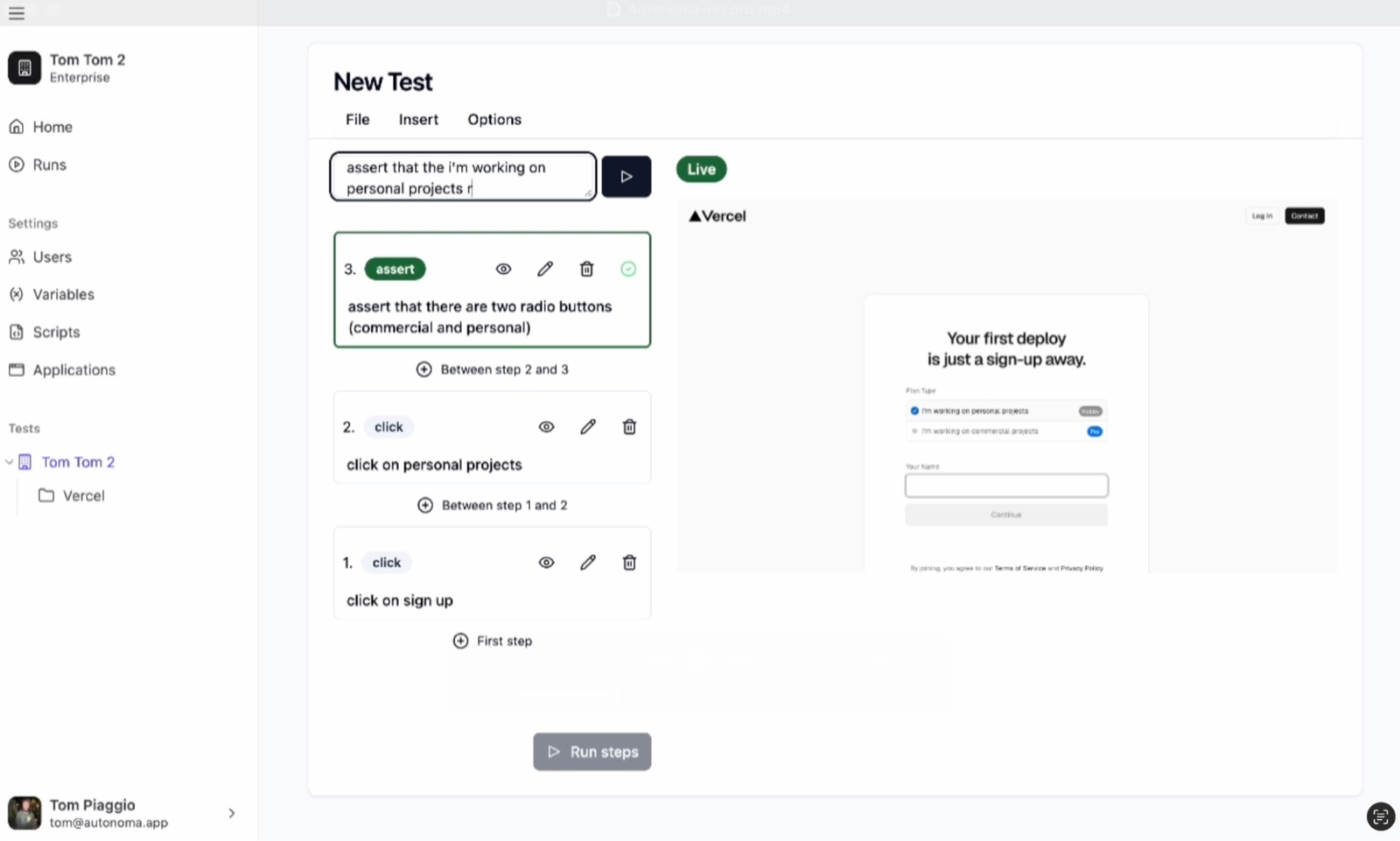
The pivot is my favorite example. At one point we had $550K ARR on just a pre-seed, we were close to profitability, and we were clearly heading toward a Series A. But back then we had a no-code product for QA people. When we got to San Francisco, we realized two things. First, almost nobody here actually had QA people. Second, AI was going to shrink that market and eventually kill it. So we decided to build for agents instead. Staying the course and raising a Series A on the old product was a real option. But we knew that product wasn't going to be what we wanted Autonoma to be, and I'd make the same call again.
What we proved
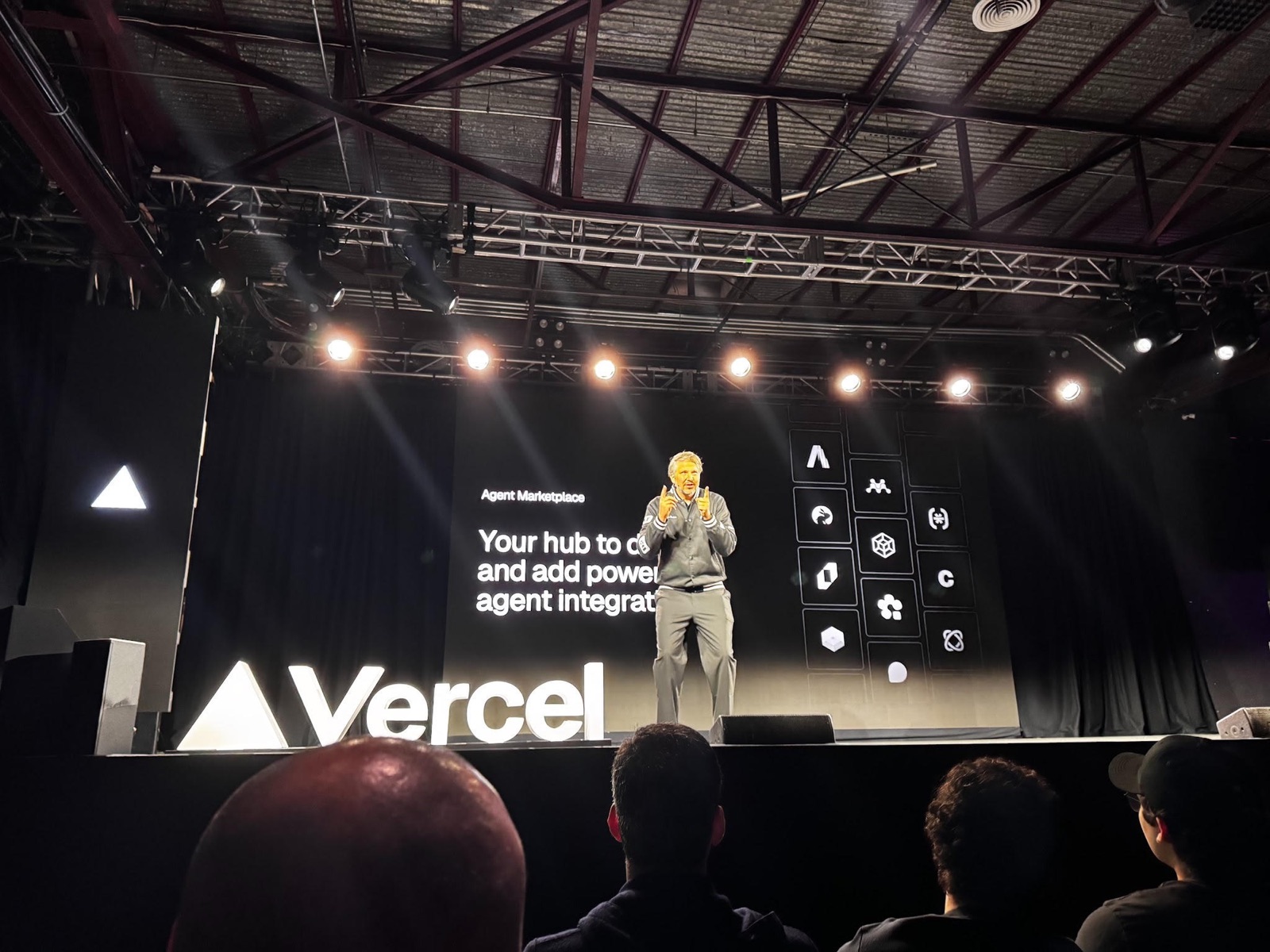
Honestly, look at everything Autonoma gave us. From Argentina, we built a global SaaS, sold to unicorns all over the world, and raised from some of the best people and funds out there. When we started fundraising, not a single Argentine VC believed we could sell it, build it, or make it to the US. We put together the most capable engineering team I know. My heroes in this industry, people like Guille Rauch and Mati Woloski, became our investors. And it brought me here, to San Francisco, at the best moment in history to be an engineer working with AI. It's honestly crazy. A few years ago I wouldn't have believed any of this was possible.
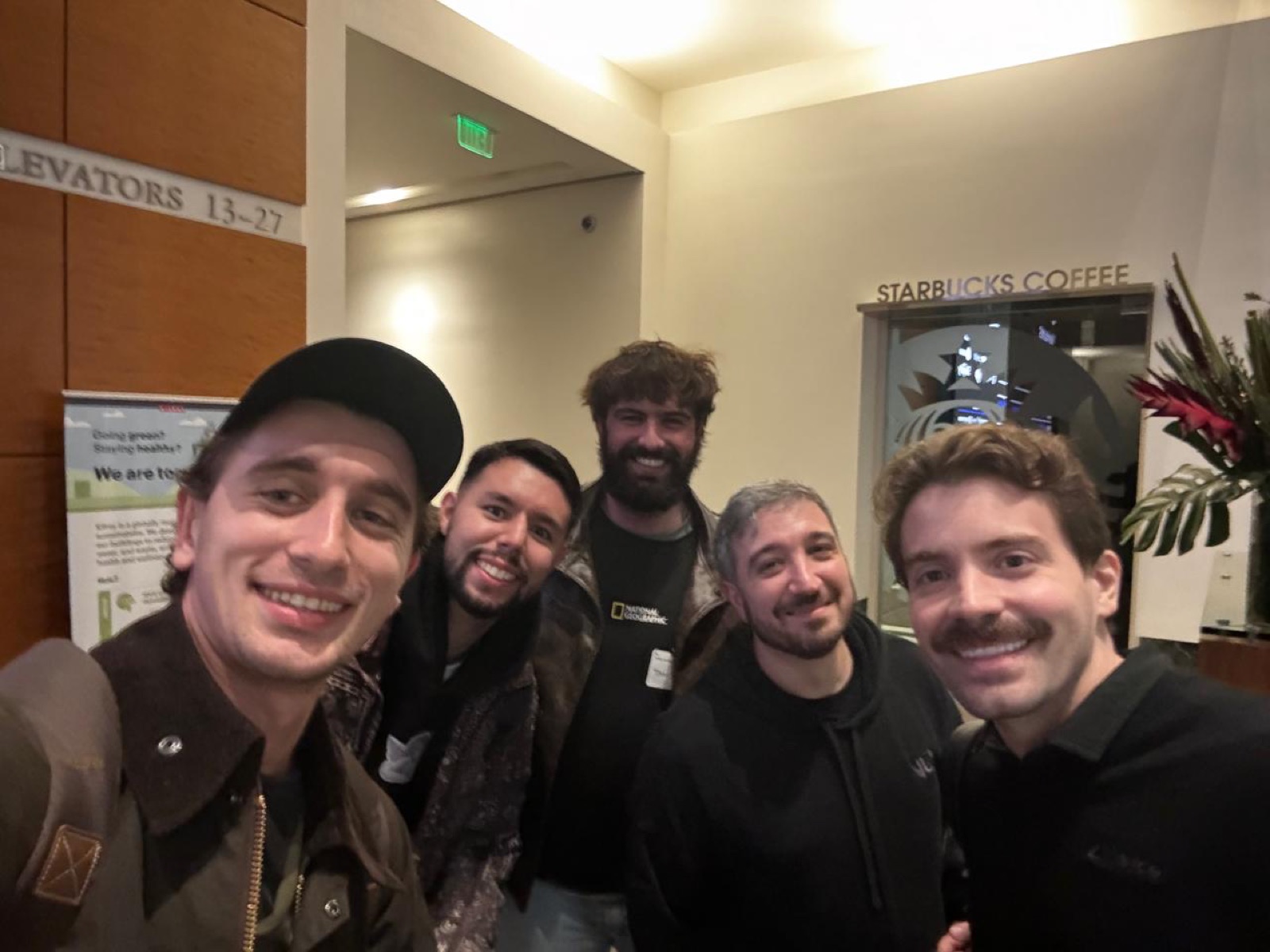
Thank you
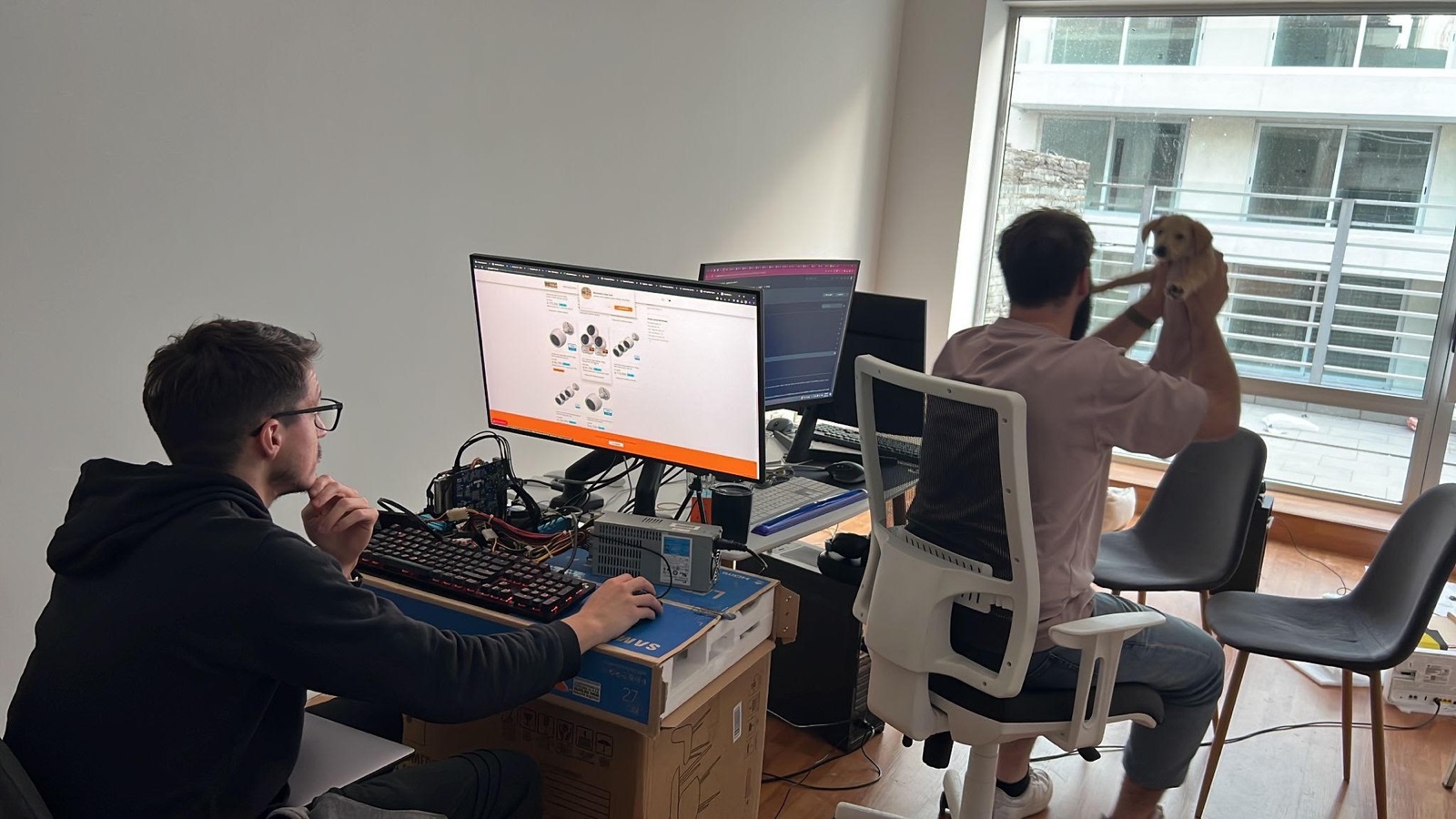
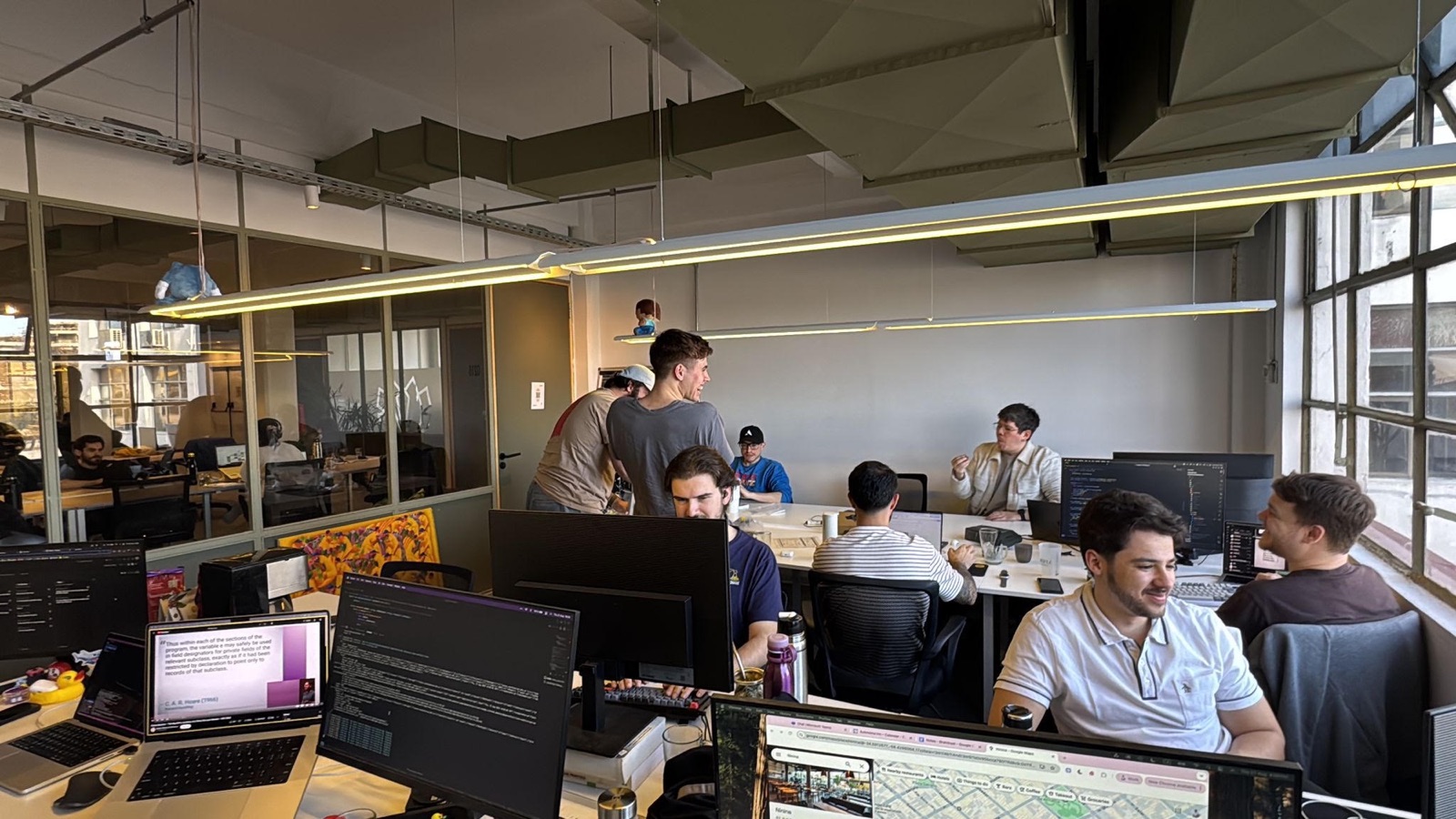
None of this happens alone. Thank you to everyone who believed in us: our investors, my co-founders, the team that joined the dream, and our design partners, who put up with our bugs and every iteration along the way. All of them were incredibly generous, and I can't thank them enough.
Think bigger
Being here, I realize things are possible that I didn't think were possible before. It sounds like a cliché, maybe even cringe, but when I compare what the startup world does in Argentina with the crazy things people do here, the difference is several orders of magnitude. I want more people to go for the whole world, not just a piece of their neighborhood. I'm tired of seeing yet another crypto wallet or yet another WhatsApp bot. Think bigger. Think about how you can create incredible value, not extract it.
This is where Eric Ries's book Incorruptible changed how I think. We usually think of profit as revenue minus costs: whatever ends up on the balance sheet. Ries defines it differently. For him, profit is the surplus of human flourishing you create, after accounting for all your impacts on people, not just the ones that show up in the books.
Here's the intuition that works for me. If you have something I want and I have the money, a fair trade creates MORE value than existed before; otherwise we wouldn't have made it. I value what you have more than the money, you value the money more than what you have, and we both walk away better off. The problem is that regular profit only sees the money side. It can't tell a fair trade from a trapped customer.
Let's do a thought experiment. Two gyms both make $1M MRR. Gym A has great equipment and trainers who genuinely care about helping you reach your goals, and it builds a real community. Gym B makes you cancel in person, with a signed letter and 60 days' notice, so people keep paying for something they stopped using. On the balance sheet, they look identical. But Gym A is creating value, and Gym B is extracting it from its own customers. Same revenue, very different profit. That's human flourishing: not how much you charge, but how much better off people are because you exist. If you want to build something great, that's the number to maximize.
Honestly, I didn't put enough thought into this in the past. It's something I want to internalize much MORE in my next ventures.
This isn't my first startup winding down. And I think that's part of why I feel this way. When Metro closed, I did feel like a failure. We made some objectively bad decisions, and COVID didn't help. But with time, I realized the balance was hugely positive. I built a great team, raised money, shipped a product I'm still proud of, and created real value for our customers (still going strong many years later). Looking back at that 21-year-old kid, I can see Metro pushed me to solve problems at a scale I wasn't ready for, and so much of how I approach engineering today stems from those moments. In the end, the outcome was good.
I started by saying I'm thankful and enthusiastic. You already know why I'm thankful, so here's the enthusiastic part. Right now I'm working with some of the best engineers in the world (more on that soon), and someday I'll definitely build an organization that creates incredible value, the Gym A kind. Stay tuned.